
🕑 5 min read
Coinbase is the most trusted crypto exchange in the United States. It’s also the most expensive one.
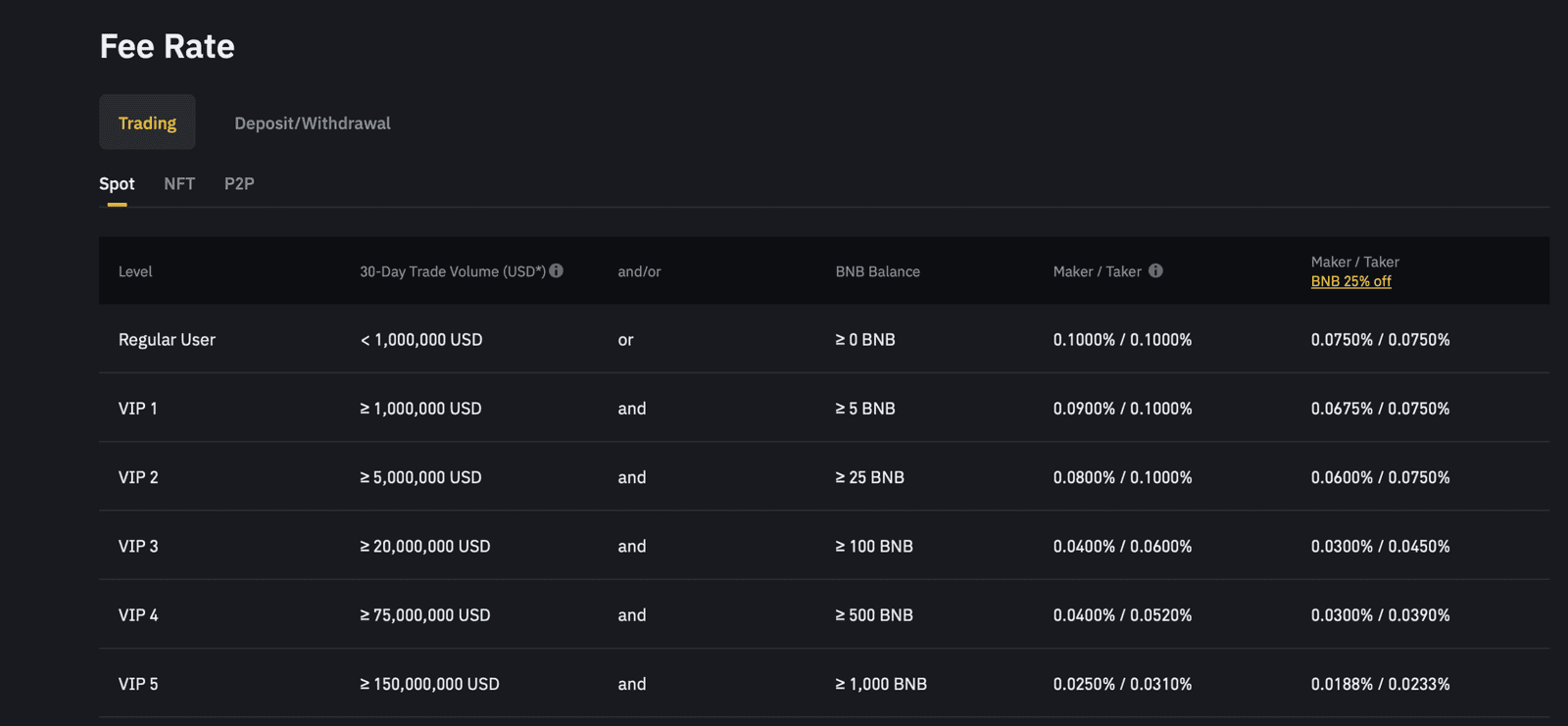
A 1.20% taker fee. That’s what Coinbase Advanced Trade fees actually look like for anyone trading under $1,000 a month – and that includes the vast majority of retail users who just want to buy some Bitcoin and move on with their lives. Binance charges 0.10% for the same trade. So does Bybit. Even OKX US undercuts Coinbase by more than 70%.
So why do 110 million verified users still trade there?
We ran the numbers on every tier, every hidden charge, and every workaround available in April 2026. The answer isn’t “just switch to Binance” – though the math will tempt you.
Base-Tier Fees Start at 1.20% – That’s 12x Binance
On a $500 market buy of Bitcoin, Coinbase takes $6.
That’s more than most stock brokers charged in the 1990s. The same trade on Binance? Fifty cents.
“120 basis points??? Coinbase’s fees are outrageous,” said Nansen CEO Alex Svanevik in January 2026, posting a screenshot of his own Intro 1 tier to X. Coinbase never responded.
The maker side isn’t much better at 0.60%. Cross $1,000 in monthly volume and the taker drops to 0.75% – still 7.5x what you’d pay on Binance. You don’t reach anything remotely competitive until the $50,000 tier, where the taker finally falls to 0.25%.
| 30-Day Volume | Maker | Taker |
|---|---|---|
| Under $1,000 | 0.60% | 1.20% |
| $1,000+ | 0.35% | 0.75% |
| $10,000+ | 0.25% | 0.40% |
| $50,000+ | 0.15% | 0.25% |
| $500,000+ | 0.10% | 0.20% |
| $1,000,000+ | 0.07% | 0.16% |
| $15,000,000+ | 0.05% | 0.14% |
| $100,000,000+ | 0.00% | 0.08% |
The pricing works like an airline loyalty program designed by someone who genuinely dislikes casual flyers – the more obsessively you trade, the less each trade costs, and everyone in economy pays through the nose.
Volume Discounts Exist, But Most Traders Never Get There
Here’s the contradiction: Coinbase’s fee schedule looks competitive on paper. Eight tiers, descending rates, zero-percent maker fees at the top. In practice, most retail traders sit permanently in Intro 1 or Intro 2, paying the maximum rate every single month.
The tier structure recalculates hourly based on your trailing 30-day trading volume. To reach the first level where Coinbase roughly matches Kraken’s base rate – that’s Advanced 1 at 0.40% taker – you need $10,000 in executed trades across 30 days. Not $10,000 in your account. Executed trades.
Zero-percent maker fees? That requires $100 million per month. Hedge fund territory.
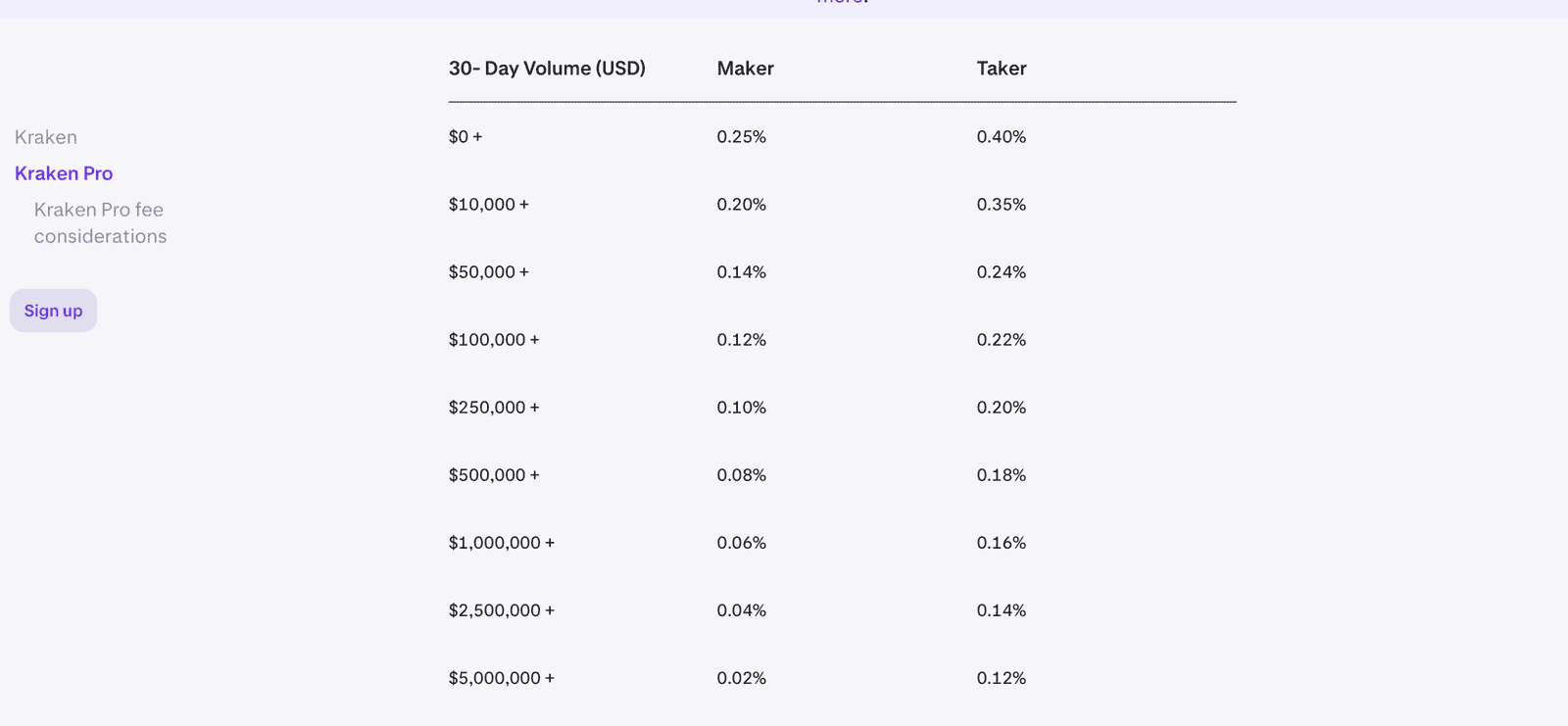
Coinbase does offer a Fee Upgrade Program for traders migrating from competitors. Show proof of $500,000+ monthly volume on another exchange, and they’ll fast-track you to a lower tier for 60 days with premium support thrown in. After that window closes, your actual Coinbase volume determines your rate. It’s a loss leader – they’re betting you won’t bother switching back.
But Coinbase can charge what it charges because it sells something Binance and Bybit can’t: a compliance insurance policy. NASDAQ-listed, SEC-registered, SOC 2 Type II audits, FDIC-insured USD balances up to $250,000. For institutional desks and compliance-sensitive traders, that wrapper is worth the premium. For someone buying $100 of Solana on a Saturday morning? Probably not.
The Hidden Charges Nobody Reads About
What about the fees that don’t show up on the schedule page?
Staking rewards get a 35% haircut. Ethereum yields roughly 3-4% annually on the open market. After Coinbase takes its cut, you’re looking at 2-2.6% – which, for an exchange that already charges the highest trading fees, feels particularly aggressive. Coinbase One Premium subscribers pay a reduced 26.3%, but that membership runs $299.99/month.
The currency conversion spread is quieter and arguably worse. Convert one crypto to another outside the Advanced Trade order book and Coinbase applies a 0.5-2.0% markup on top of the mid-market rate. It’s not listed as a “fee.” It’s baked into the quoted price, and you won’t notice it unless you’re cross-referencing real-time prices on CoinGecko.
Then there’s the debit card surcharge – 3.99% for instant purchases, which is more expensive than most credit card foreign transaction fees in 2026. ACH transfers are free but take 1-4 business days. Wire withdrawals cost $25 each. Instant cashouts to debit or PayPal run about 1.5%.
And the one that gets people: Coinbase One doesn’t waive the spread. The subscription advertises “zero trading fees” on the retail platform. But that ~0.50% spread on retail trades? Still applies. You’re paying less. You’re not paying nothing.
When Coinbase Advanced Actually Makes Sense
Coinbase isn’t the cheapest exchange. It’s not trying to be.
Transaction revenue accounted for an estimated 59% of Coinbase’s total revenue in 2025, according to S&P Global. Cutting fees would directly gut their business model – and unlike Binance, they don’t have a utility token generating ecosystem revenue to compensate. Brian Armstrong declared in January 2026 that the company aims to become “the #1 financial app in the world,” expanding into stocks, options, and prediction markets. Fee cuts weren’t mentioned.
So when does paying the premium make sense? If you’re a US-based institution or RIA, no other major exchange matches Coinbase’s regulatory stack – NASDAQ listing, money transmitter licenses in all 50 states, and integration with institutional custodians. “Cheapest” isn’t your primary variable when “won’t get us sued” is.
Stablecoin traders benefit too. USDC/USD pairs carry 0.00% maker fees and minimal taker fees regardless of your volume tier. If your strategy involves heavy stablecoin routing, Coinbase Advanced is legitimately cheap.
For everyone else – especially the retail traders stuck in Intro 1 – a $5,000 monthly trader pays roughly $60-75 in Coinbase Advanced fees. The same volume on Binance: about $5-10. That’s $600-780 per year you’re donating to Coinbase’s income statement.
Whether that buys you peace of mind or just lighter pockets depends entirely on how much the regulatory wrapper matters to you.
For a complete breakdown of Coinbase’s security, features, and supported assets, see our full Coinbase review. New to crypto? Start with our guide to buying Bitcoin.
Coinbase’s stablecoin fee advantage versus its premium on everything else creates an interesting split – and which side of it you land on will define whether Advanced Trade is a bargain or a tax.
This is not financial advice. DYOR. Data as of April 4, 2026.
Leave a Reply