

🕑 4 min read
Japan’s cabinet just moved 13 million crypto accounts and $33 billion in deposits under the same legal framework as equities and bonds.
$33 billion in crypto deposits. Thirteen million accounts. All of it just shifted from one regulatory box to another – and the new box is the Financial Instruments and Exchange Act, Japan’s equivalent of securities law.
Japan’s cabinet approved the bill on April 10, making the country the first G7 nation to formally classify cryptocurrencies as financial instruments – not “digital payment tools,” not some bespoke crypto category, but the same classification that covers Toyota shares and Japanese government bonds.
“We are expanding the supply of growth capital and ensuring market fairness, transparency, and investor protection,” Finance Minister Satsuki Katayama said after the cabinet meeting.
That’s a diplomatic way of saying Japan just rewrote the rules for an entire asset class overnight.
From payment tool to financial instrument – nine years end
Japan stuck crypto under the Payment Services Act back in 2017, a knee-jerk response to the Mt. Gox collapse that killed $473 million in customer funds. It was a patch job. Never meant to be permanent.
Nine years later, the patch is gone.
The bill doesn’t invent new crypto regulations. It scraps the old category entirely and drops digital assets into existing financial law – the same FIEA framework that has governed Japan’s $6.5 trillion equity market since 1948.
It’s the regulatory equivalent of a city deciding food trucks should follow the same health codes as restaurants, rather than inventing a whole new inspection system.
For the US, where the SEC and CFTC only managed to agree on crypto asset classifications in March 2026 after a decade of turf wars, Japan’s approach is almost embarrassingly simple.
Same rules. Same regulators. Done.
20% flat tax and crypto ETFs – but prison for insiders
The bill isn’t all carrots. Japan’s Financial Services Agency packed incentives and sharp teeth into the same legislative package.
Start with the tax: crypto gains drop from a progressive rate of up to 55% to a flat 20%, matching how Japan already treats stocks and capital gains. Yoshitaka Kitao, chairman of Japan’s crypto exchange association (JVCEA), said the flat rate “could cut barriers for new players and spark innovation.”
Then the ETFs. Nomura Holdings and SBI Holdings are already designing products – SBI filed for a dual-asset Bitcoin-XRP fund – and industry projections peg Japan’s crypto ETF market at ¥1 trillion ($6.5 billion) by 2028.
Now the teeth.
Insider trading on non-public crypto information is criminal under the new framework. That didn’t exist before. Prison terms jump from 3 to 10 years, and fines triple to ¥10 million ($65,000).
All 105 approved tokens on licensed exchanges now require annual issuer disclosures – the kind of transparency that most Western crypto markets don’t have.
Bank subsidiaries can also issue and trade crypto. That quietly opens the door for Japan’s megabanks – Mitsubishi UFJ, Sumitomo Mitsui, Mizuho – to enter the space directly.
Japan leapfrogs the US while Europe watches ahead
Where does this leave the global regulatory scoreboard?
The EU’s MiCA framework has been fully enforced since December 2024 – purpose-built for crypto, covering everything from stablecoin reserves to exchange licensing across 27 member states. Japan took the opposite approach: no new framework, just reclassification under existing law.
The US is still a mess. The CLARITY Act barely survived a stablecoin yield compromise in March and faces a May deadline before the legislative window shuts. The SEC is routing its own “Regulation Crypto” proposal through the White House. Two parallel tracks, neither finished.
The UK won’t open FCA crypto licensing until September 2026. And Hong Kong just granted its first stablecoin licenses to HSBC and a Standard Chartered-led consortium – on the same day as Japan’s cabinet vote.
But not everyone’s cheering. The Blockchain Association of Japan warned the bill “could impose severe securities-level compliance burdens and spur mergers among weaker exchanges.” About 90% of domestic exchanges already operate at a loss. Stricter rules might thin the herd further before a single ETF ever trades.
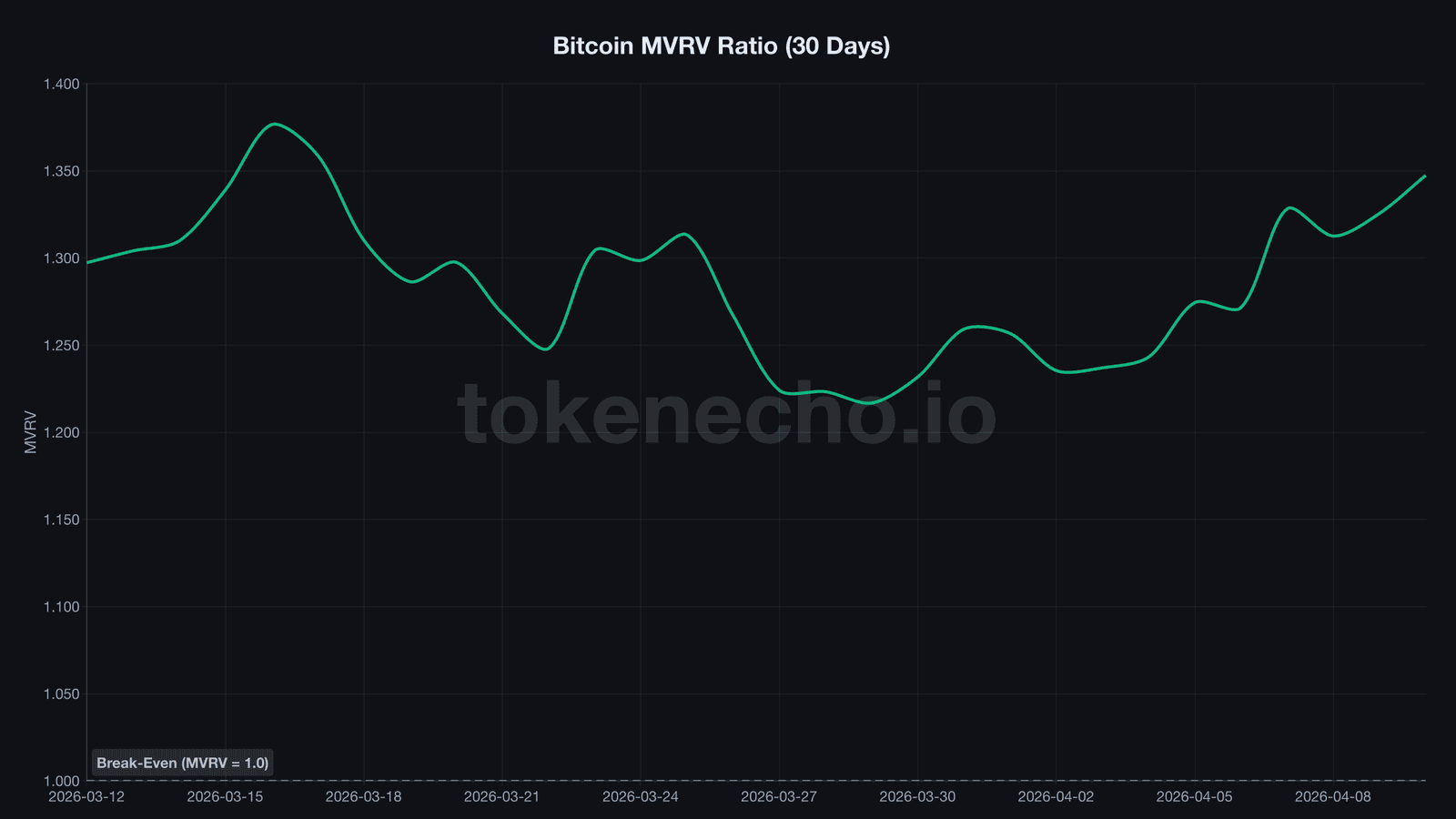
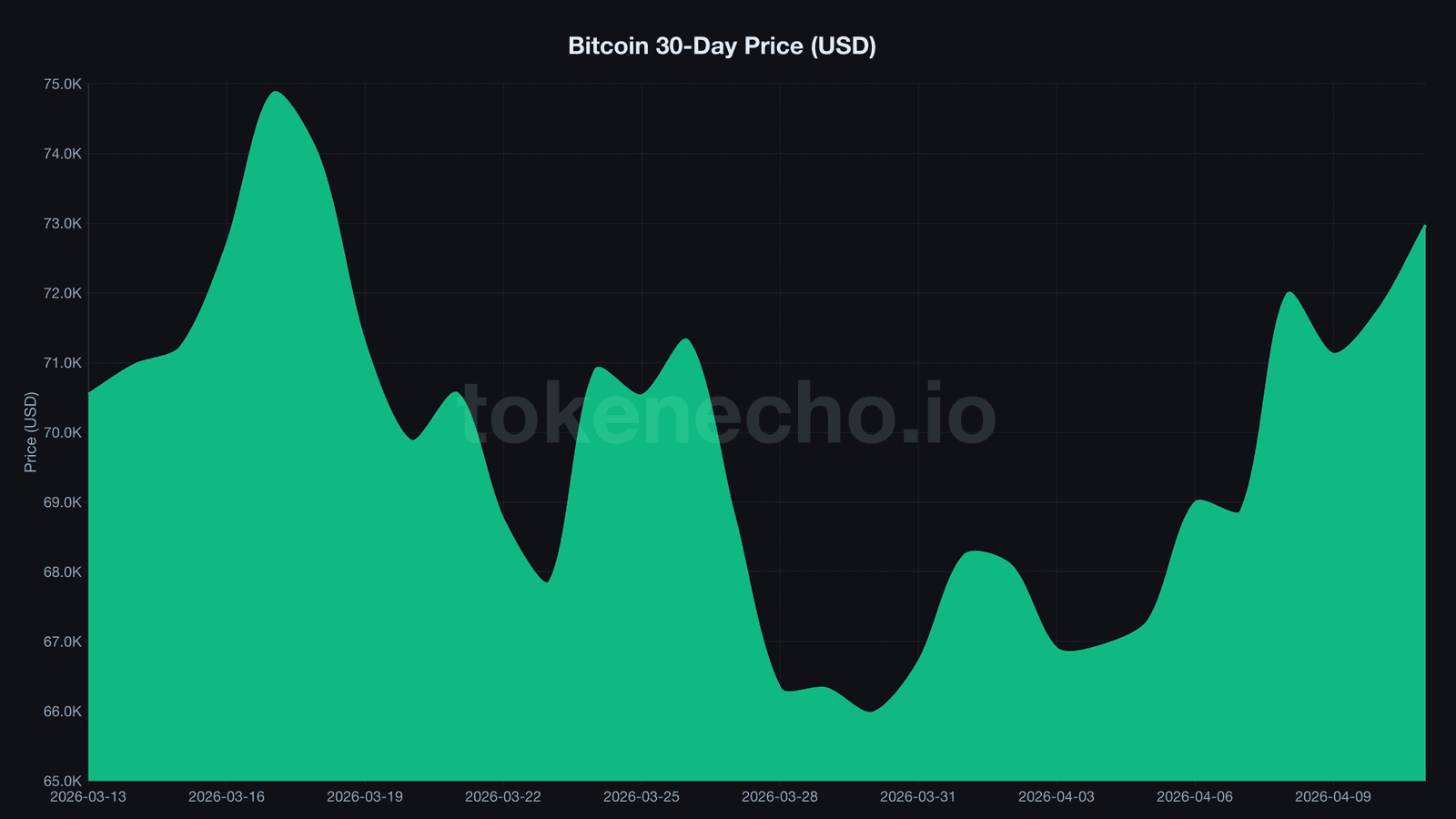
Bitcoin didn’t flinch on the news – sitting at $72,694, up 1.4% over 24 hours. But regulatory shifts don’t pump prices. They reshape capital flows over quarters and years.
If Japan’s 13 million crypto holders eventually get the same tax cut and ETF access that turbocharged the US market after spot Bitcoin ETFs launched in January 2024, the long-term capital flow implications for Asia’s largest economy stretch well beyond Tokyo.
The bill heads to the National Diet. If it passes, implementation begins fiscal 2027.
Japan chose the simplest possible approach – fold crypto into existing law – while the US builds an entirely new regulatory system from scratch. Which model wins could define the next decade of global crypto capital flows.
This is not financial advice. DYOR. Data as of April 11, 2026.
Leave a Reply