
🕑 9 min read
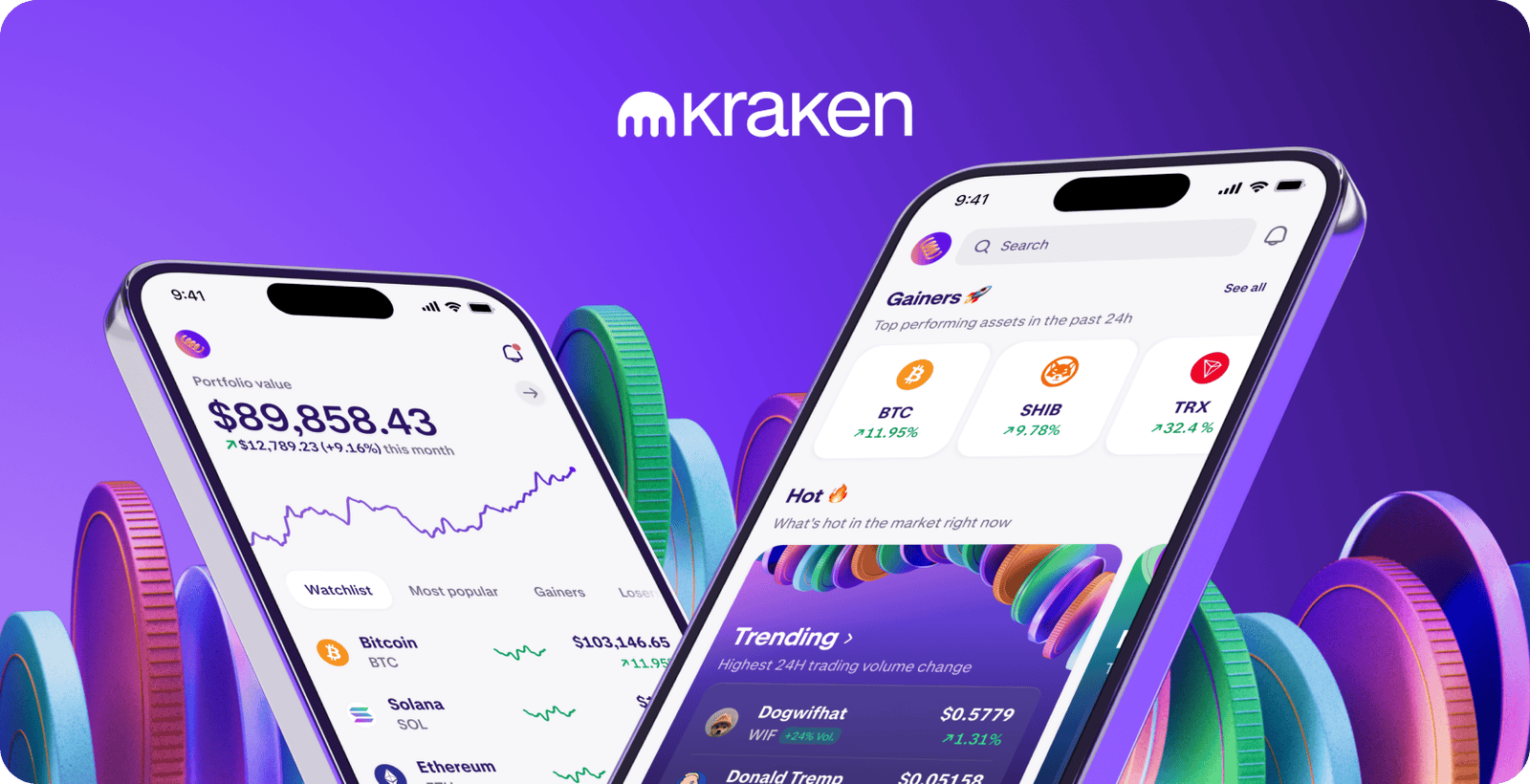
The Federal Reserve just handed a crypto exchange a master account. Not a partnership. Not a pilot program. A master account — the same thing JPMorgan has. The exchange is Kraken, and honestly, we had to read the press release twice.
Fourteen Years and Zero Customer Funds Lost
Jesse Powell started Kraken in 2011 out of San Francisco. Back then, Bitcoin traded under $10 and most Wall Street analysts thought the whole thing was a Ponzi scheme. Powell kept building anyway.
Fast forward to today and Kraken operates from Cheyenne, Wyoming — yes, Wyoming, the state that wrote its own crypto banking laws before Congress could figure out what a stablecoin was. The exchange serves 13 million clients across 190+ countries. Those numbers alone put it in the top tier, but the financials tell a wilder story.
Revenue in 2025 hit $2.2 billion. Trading volume crossed $2 trillion for the year. And assets sitting on the platform? $48.2 billion, give or take.
Then came March 2026.
Kraken Financial received a Federal Reserve master account — direct access to Fedwire, the backbone payment system that clears trillions of dollars daily for the biggest banks on Earth. No crypto company had ever gotten one. Most people in the industry assumed none ever would.
CoinGecko ranks Kraken #7 globally with a perfect 10/10 trust score. For an exchange that’s been around since Obama’s first term, that’s not nothing.
The Fee Math Nobody Wants to Do
Kraken’s fee structure is a tale of two apps, and the difference between them is genuinely absurd.
Open the regular Kraken app and buy some Bitcoin? You’re paying a flat 1% fee. Drop $1,000 in, lose $10 to fees. Clean and simple — the kind of thing your cousin who “got into crypto last month” would appreciate. Kraken+ subscribers dodge those fees entirely on up to $10,000 per month, which makes sense if you’re doing weekly DCA buys and don’t want to think about it.
Now switch to Kraken Pro. Same account. Same login. Same funds. Completely different planet.
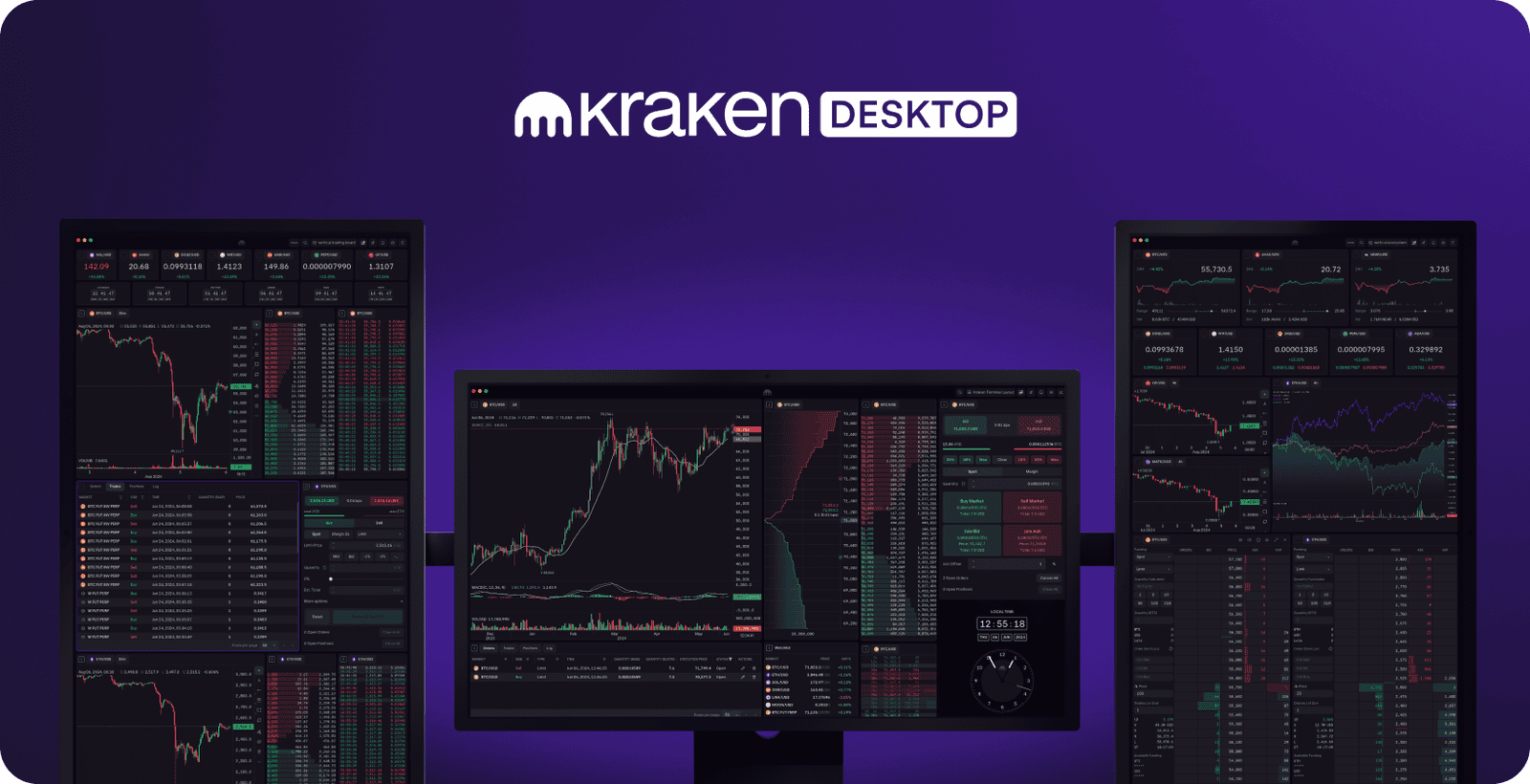
Base-tier makers pay 0.25%. Takers pay 0.40%. Scale up to $10 million in monthly volume and makers trade free — literally zero — while takers drop to 0.10%. We ran this against Coinbase and the gap is stark. Coinbase Advanced charges 0.60% on the taker side. Kraken Pro: 0.40%. On a $50,000 trade, that’s the difference between $300 and $200 in fees. Do that twice a week and you’re saving $10,000+ a year.
Stablecoin pairs get even cheaper — 0.20% flat at base tier, dropping to basically nothing at volume. USDe pairs? Free through June 2026. No catch, at least not yet.
One thing buried in the fine print: staking comes with a 20% commission on flexible rewards. So that 2.53% SOL yield you see advertised? Kraken already took its cut before showing you that number. Not a scandal — every major exchange does this — but worth knowing.
A $3M Bug Bounty Incident — And Why It’s Actually Good News
Security sections in exchange reviews usually read like marketing copy. “We use military-grade encryption.” “Your funds are safe.” Cool. So did FTX’s website, right up until it wasn’t.
So instead of listing Kraken’s security features (we’ll get there), let’s start with the worst thing that’s happened to them.
June 2024. A “security researcher” — and those quotes are doing heavy lifting — discovered a critical vulnerability. Rather than filing a responsible disclosure, they exploited it, pulling roughly $3 million out of the exchange. Not from customer wallets. From Kraken’s own corporate treasury. The bug got patched within 47 minutes. All funds recovered. Zero customer impact.

That incident is embarrassing, sure. But it also accidentally proved something important: customer funds lived in segregated cold storage that the exploit couldn’t touch. The architecture held when it mattered.
Now the feature list. Kraken refuses to offer SMS-based account recovery — a deliberate middle finger to SIM-swap attackers who’ve stolen millions from exchanges that still rely on phone verification. Instead: FIDO2 passkeys and hardware 2FA. Your account, your physical key. Lose it and you’re going through a painful recovery process. That’s the point.
Certifications: ISO/IEC 27001:2022, SOC 2 Type 1 for custody, SOC 2 Type 2 for institutional services. Cold storage sits behind armed guards, 24/7 video surveillance, and alarm systems. This sounds dramatic until you remember Kraken is custodying $48 billion.
And Proof of Reserves — Kraken pioneered this before it was fashionable. Quarterly audits by an independent CPA firm, covering BTC, ETH, SOL, USDC, USDT, XRP, and ADA. The December 2025 snapshot showed everything backed above 100%. BTC at 100.3%, ETH at 101.3%, stablecoins above 105%. You can verify your own balance inclusion using Merkle tree proofs, which is nerdy and reassuring in equal measure.
The gap worth flagging: no crypto insurance. Coinbase offers FDIC coverage up to $250,000 on USD balances. Kraken’s Wyoming bank charter mandates full reserves for fiat — but if somehow the cold storage got compromised, there’s no insurance policy backing your ETH. Fourteen years of clean history says a lot. A written policy would say more.
718 Coins, Tokenized Apple Stock, and a Bank Charter
Remember when exchanges just… listed coins? Kraken still does that — 718 of them across 1,530 pairs, nearly double what Coinbase offers — but that’s become the boring part of the business.
The interesting pivot happened in September 2025 when Kraken launched xStocks. Tokenized Apple shares. Tokenized Tesla. Tokenized Nvidia. Real equities, fractionalized, tradeable 24/7, available in 100+ countries with zero commission if you buy using USD or USDG. The product has processed $25 billion in transactions since launch. By early 2026, Kraken added something nobody else had: regulated perpetual futures on tokenized stocks with 20x leverage, across 110 countries.
That’s a crypto exchange selling you Apple stock with 20x leverage at 3 AM on a Sunday. The SEC must love it. (The SEC, predictably, does not love it — more on that later.)
Staking covers 26+ assets with a wild range of yields. Flare Network pays 48.21% — which sounds amazing until you realize nobody’s heard of Flare Network. Cosmos offers a respectable 9.54% flexible, 19.97% bonded. SOL does 2.53% flexible, 5.14% bonded. ETH? A measly 2.31%, bonded only. Bitcoin staking technically exists through the Babylon protocol, but 0.02% APY is more of a rounding error than a yield strategy.
Over 1.35 million people stake on Kraken. Rewards show up twice a week.
The acquisition spree tells you where management thinks the business is going. $1.5 billion for NinjaTrader (futures). Backed Finance AG (tokenized equities). Breakout (prop trading). Magna (token management). North of $1.6 billion in M&A across 18 months. There’s also Krak — a money transfer app nobody asked for but that covers 160+ markets with a Metal Mastercard and 2% cashback in the UK/EU.
This isn’t your 2020 Kraken. Whether that’s good or just complicated depends on what you want from an exchange.
Kraken Pro Saves You 75% — If You Bother Switching
Real talk: why would anyone use regular Kraken when Kraken Pro exists on the same account?
The standard app: 1% per trade. Kraken Pro: 0.25% maker, 0.40% taker. Same login, same cold storage, same everything — except you’re suddenly paying 60-75% less. It’s like discovering your gym has a pool you’ve been paying for but never used.
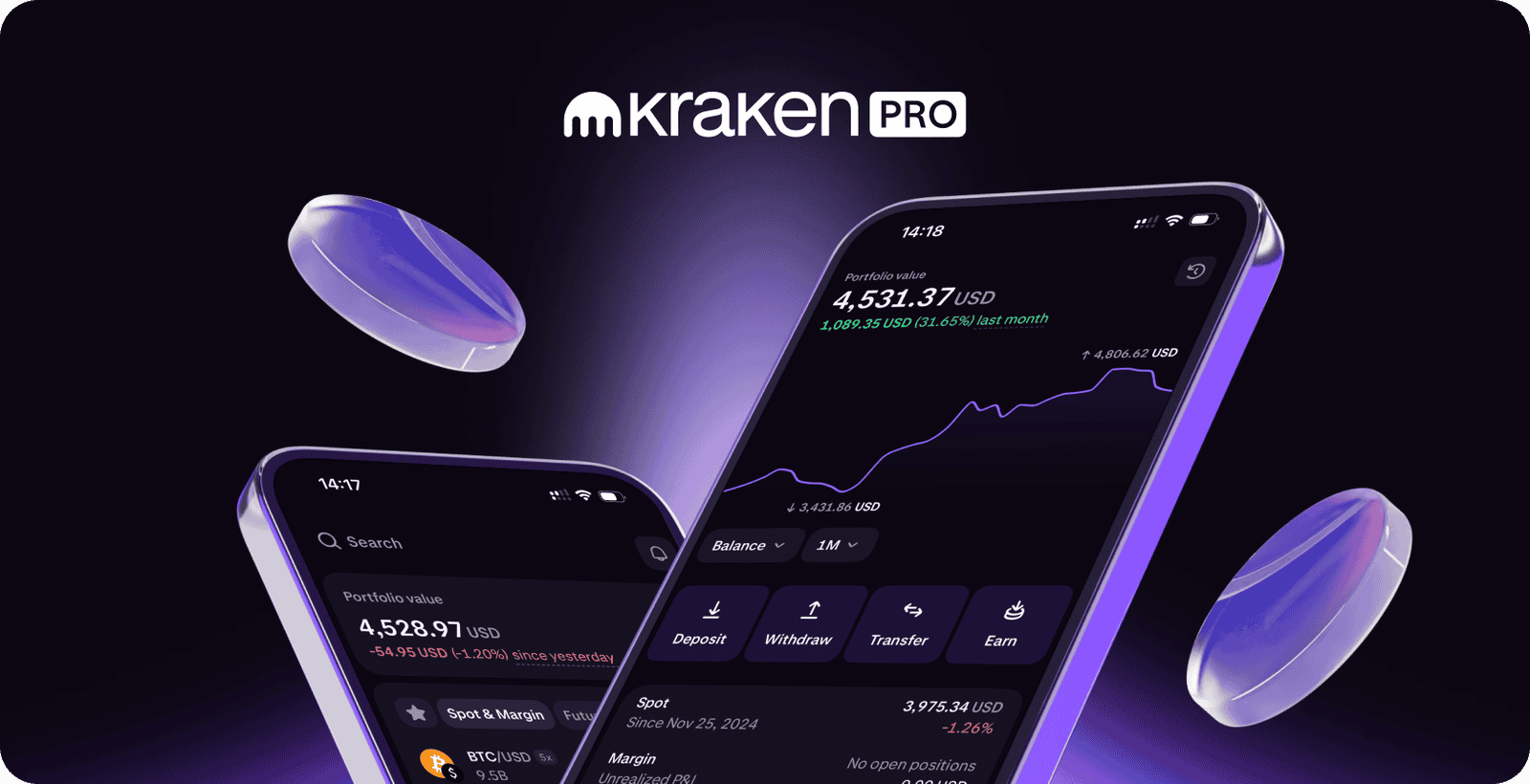
Pro gives you TradingView-powered charts, stop-losses, trailing stops, iceberg orders for hiding large positions, and margin trading. The regular app gives you a buy button and some pretty colors. Both work. One costs three to four times more than the other for the exact same outcome.
Start with the regular app if crypto is new to you. But the moment you’re trading weekly? Switch. The math is too obvious to ignore.
Support That Actually Picks Up at 3 AM
Kraken runs live chat 24/7, 365 days, holidays included. Hundreds of full-time specialists scattered across time zones, fluent in multiple languages. Phone support exists inside the mobile app for specific situations, though chat remains the primary channel.
They claim a 90% satisfaction score. In an industry where “customer support” at some exchanges means a Telegram bot that responds in broken English three days later, 90% is genuinely impressive. No premium tiers — institutional and retail clients talk to the same team, though big accounts get dedicated relationship managers.
Where Kraken Stumbles — And Who Should Care
Alright, let’s not pretend this is a perfect exchange. Nobody’s paying us to write a press release.
New York and Maine residents are locked out. Completely. Can’t even open an account. Staking is blocked in several other states too. For a company that just got a Fed master account, the state-by-state regulatory mess is almost comically ironic. The federal government trusts you with Fedwire access but New York won’t let you sell SOL staking? Welcome to American financial regulation.
No crypto insurance policy exists. We’ve mentioned this, but it bears repeating. Coinbase has FDIC on USD. Kraken has 14 years of not getting hacked. One of these is a legal guarantee. The other is a track record. Both are valuable. They’re not the same thing.
The NFT marketplace died in February 2025. Gone. Resources redirected to xStocks and tokenized equities. If you’re holding JPEGs, Kraken isn’t interested anymore.
The IPO is frozen. Kraken raised $800 million at a $20 billion valuation in November 2025, filed the S-1, and then… paused everything in March 2026 because markets tanked. The company prints money — $2.2 billion in revenue, $531 million EBITDA — but apparently that’s not enough to go public in a bear market. Draw your own conclusions about what that says about public market appetite for crypto right now.
The leadership situation is… interesting. Co-CEOs David Ripley and Arjun Sethi (who arrived from Tribe Capital in October 2024) share the top job. The CTO, COO, and several senior staff left around the same time. Kraken calls it a strategic evolution. The departures speak for themselves.
So Is Kraken Worth It in 2026?
Forbes called Kraken the best crypto exchange of 2025. And yeah — we’d probably rank it there too, though for different reasons than Forbes might.
Not because the app is pretty (Coinbase’s looks better). Not because the fees are lowest (Binance undercuts everyone). Because Kraken has survived every single disaster this industry has thrown at it — Mt. Gox, The DAO hack, the ICO crash, COVID, Luna, FTX — and come out the other side with zero customer funds lost and a profitable balance sheet. That’s not marketing. That’s just math.
The Fed master account, the Proof of Reserves, the Wyoming bank charter — these are institutional trust signals that take years to earn and seconds to lose. Kraken hasn’t lost them yet.
Whether the absence of crypto insurance, the frozen IPO, and the executive shakeup should worry you… that’s a judgment call we can’t make for you.
Looking for alternatives? Read our Coinbase review for a side-by-side comparison. Planning your first crypto purchase? Our guide to buying Bitcoin walks through the whole process.
Kraken’s got a Fed account and no insurance policy. Coinbase has insurance and no Fed account. Pick your poison — or use both. Most serious traders do.
This is not financial advice. DYOR. Data as of April 2, 2026.
Leave a Reply